
Chainbridge
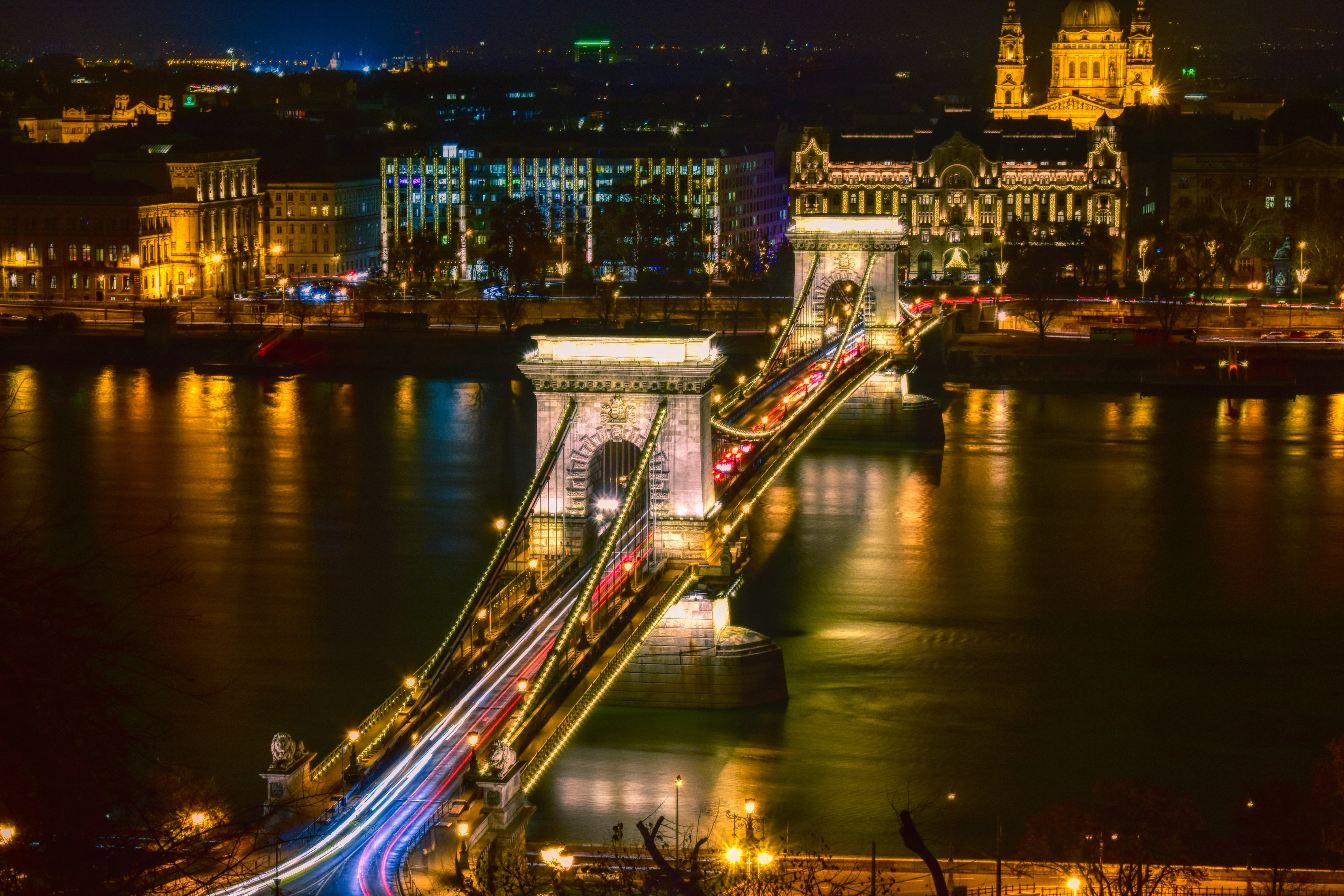
In this article, we examine the conditions in Budapest from 1830 to 1849 to gain a better understanding of the significance of the Chain Bridge. The politician István Széchenyi, named in his book "Hitel," identified three problems contributing to Hungary's economic backwardness during the Industrial Revolution: tax exemptions for the nobility, the non-saleability of land, and the disenfranchisement of the peasants (who were serfs of the nobility). Széchenyi was greatly influenced by the Industrial Revolution that had already occurred in England, and as a young man, he even smuggled a steam engine from England to Hungary. The issues he mentioned in his book "Hitel" impeded the Hungarian economy, making it challenging to secure investments, such as funds for purchasing steam engines to enhance agriculture. The non-saleability of the land meant that banks, when granting loans, couldn't rely on any collateral besides the peasants' willingness to repay the loan. Széchenyi publicly discussed his ideas in the Diet, funded initiatives like the Academy of Sciences, and initiated projects like the construction of the Chain Bridge connecting Buda and Pest. A significant problem in the Hungarian economy was the presence of large flooded areas, hindering efficient agriculture. To control the floods, Széchenyi undertook the regulation of the rivers Tisza and Danube. Additionally, many shallow areas in the rivers prevented navigation. Dredging the riverbed became necessary to enable continuous navigation. One major project was the construction of the Chain Bridge in the 1840s, which greatly facilitated transportation. Temporary bridges had been required previously for people and goods to cross the Danube, but these were fragile. The Chain Bridge represented not only the construction of a physical bridge but also the establishment of equal conditions for everyone. Bridge fees were imposed on all, including the nobles, which was a democratic and symbolic act. These reforms directly challenged the existing ruling model and angered the nobility. The completion of the Chain Bridge, along with another infrastructure project - the expansion of a 50 km railway line between Pest and Vac - played pivotal roles in sparking the revolution of 1848/49. Simultaneously, the Chain Bridge's completion marked the birth of the unified city of Buda-Pest, as it connected the previously separate cities of Buda and Pest for the first time.